
Compare SUVs: The Mazda CX-90, Toyota Highlander, And Subaru Ascent

2026 Mazda CX-90 vs. Toyota Highlander vs. Subaru Ascent at a Glance
- The Mazda CX-90 outperforms the Toyota Highlander and Subaru Ascent with stronger horsepower and torque and higher MPG
- All three SUVs come standard with AWD and a maximum 5,000-pound towing capacity when properly equipped
- Seating for seven or eight is offered in each sport-ute, but the Mazda CX-90 takes the cake in terms of features
- While safety is close between these Mazda, Toyota, and Subaru models, the Mazda CX-90 impresses the most
Mazda CX-90 vs. Toyota Highlander vs. Subaru Ascent: The Ultimate 3-Row SUV Showdown
Choosing among today's top three-row SUVs isn't always easy, especially when comparing the 2026 Mazda CX-90 vs. Toyota Highlander vs. Subaru Ascent. Join the team at Goodwin Mazda as we take a deep dive into how these sport-utes stack up and why we believe the Mazda CX-90 comes out ahead.
| 2026 MAZDA CX-90 | 2026 Toyota Highlander | 2026 Subaru Ascent | |
|---|---|---|---|
| Engine | 3.3L inline-6 turbo | 2.4L 4-cyl turbo | 2.4L 4-cyl turbo |
| Horsepower | 280 - 340 | 265 | 260 |
| Torque | 332 - 369 lb-ft | 310 lb-ft | 277 lb-ft |
| Drivetrain | AWD | AWD | AWD |
| Max EPA-Est. MPG (Cty / Hwy / Cmb) | 24 / 28 / 251 | 21 / 28 / 242 | 19 / 26 / 223 |
| Max Towing Capacity | 5,000 lbs4 | 5,000 lbs5 | 5,000 lbs6 |
| Seating Capacity | 7 - 8 | 7 - 8 | 7 - 8 |
| Max Length / Width / Height | 201.6 / 77.6 / 68.7 in | 197.4 / 76 / 68.1 in | 196.8 / 76 / 71.6 in |
| Max Headroom (1st / 2nd / 3rd Row) | 39.7 / 39.3 / 36.9 in | 39.6 / 39.4 / 36.1 in | 41.2 / 40 / 36.2 in |
| Legroom (1st / 2nd / 3rd Row) | 41.7 / 39.4 / 30.4 in | 42 / 38.7 / 28 in | 42.2 / 38.6 / 31.7 in |
| Cargo Volume (Standard / Max) | 14.9 / 74.2 cu ft | 16 / 84.3 cu ft | 42.1 - 43.5 / 75.6 cu ft |
Mazda CX-90 vs. Toyota Highlander vs. Subaru Ascent: Under the Hood
Starting solely with a 2026 Subaru Ascent vs. Toyota Highlander performance review, both rely on a 2.4-liter turbocharged four-cylinder engine, producing 265 horsepower and 310 pound-feet of torque and 260 horsepower and 277 pound-feet of torque, respectively. Those numbers are solid, but they're no match for what Mazda brings to the table.
Outfitted in every new Mazda CX-90 is a 3.3-liter turbocharged inline-six engine, harnessing 280 horsepower and 332 pound-feet of torque right out of the gate. Want even more? The available high-output version turns up the excitement with a maximum 340 horsepower and 369 pound-feet of torque, giving it a notable lead over the competition.
Mazda CX-90 vs. Toyota Highlander vs. Subaru Ascent: MPG & Drivetrain
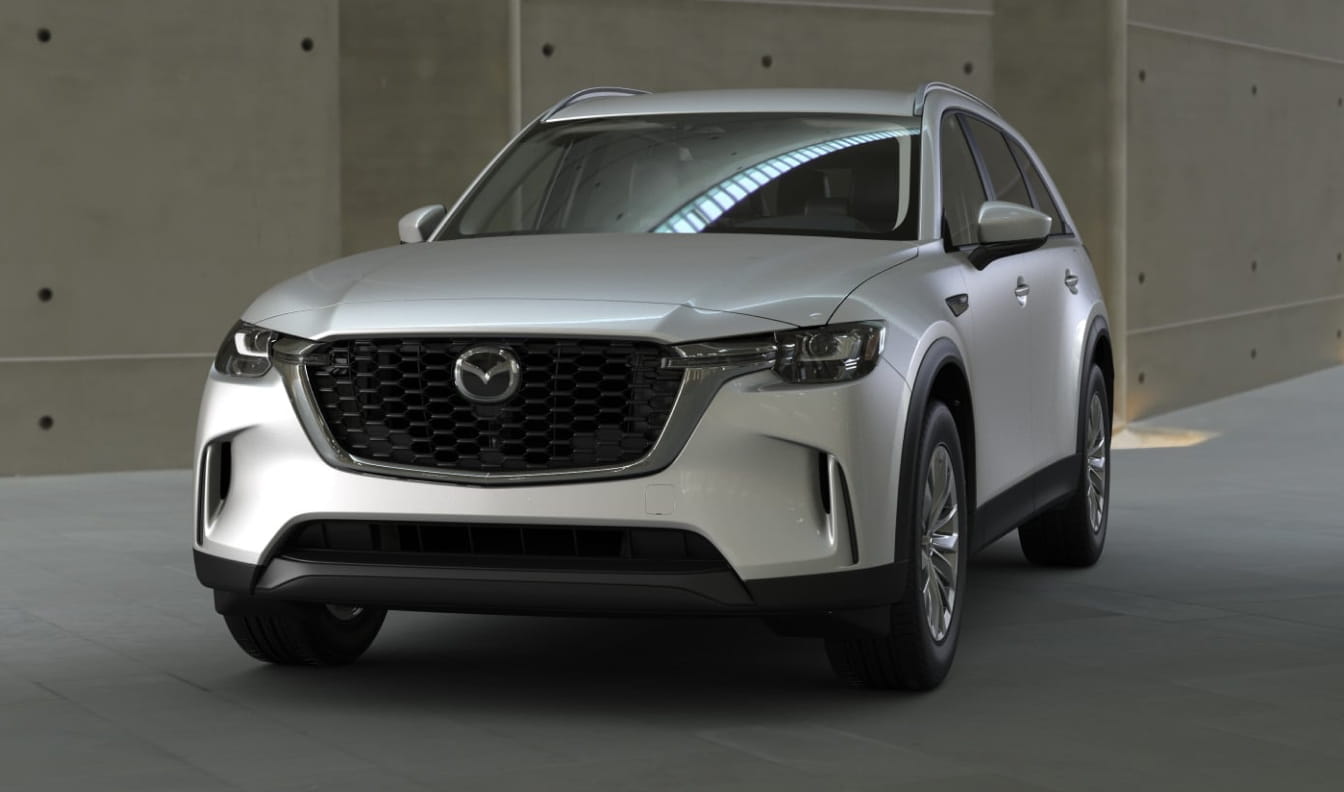
Every SUV in this matchup boasts standard AWD. The Mazda CX-90 features i-Activ AWD®, the Subaru Ascent has Symmetrical AWD, and the Toyota Highlander equips a conventional AWD setup, with available Dynamic Torque Vectoring AWD. With the upgrade, the Toyota system can send up to 50% of engine power to the rear axle and distribute torque between the rear wheels, but it ultimately lacks the proactive sophistication found on the other two.
A Subaru Ascent vs. Mazda CX-90 comparison reveals a much tighter contest. The Subaru Ascent's full-time AWD constantly powers all four wheels to showcase balanced, predictable traction in different conditions. The Mazda CX-90, meanwhile, takes a smarter approach with its predictive, rear-biased i-Activ AWD® system. By continuously analyzing driver inputs and road conditions, it calculates how much torque should be sent to the rear wheels to prevent the front wheels from slipping and does so automatically.
Gas mileage is another area where the Mazda CX-90 shines. Despite packing a more potent engine than either rival, it achieves up to an EPA-estimated 24/28 MPG (City/Highway).1 It is also the only model in this matchup that offers a plug-in hybrid variant, delivering an EPA-estimated 56 MPGe (Combined)7 for even more fuel savings.
In comparison, the Toyota Highlander comes in second with a peak EPA-estimated 21/28 MPG (City/Highway),2 and the Subaru Ascent brings up the rear with a maximum EPA-estimated 19/26 MPG (City/Highway).3
Mazda CX-90 vs. Toyota Highlander vs. Subaru Ascent: Seating & Cargo Space
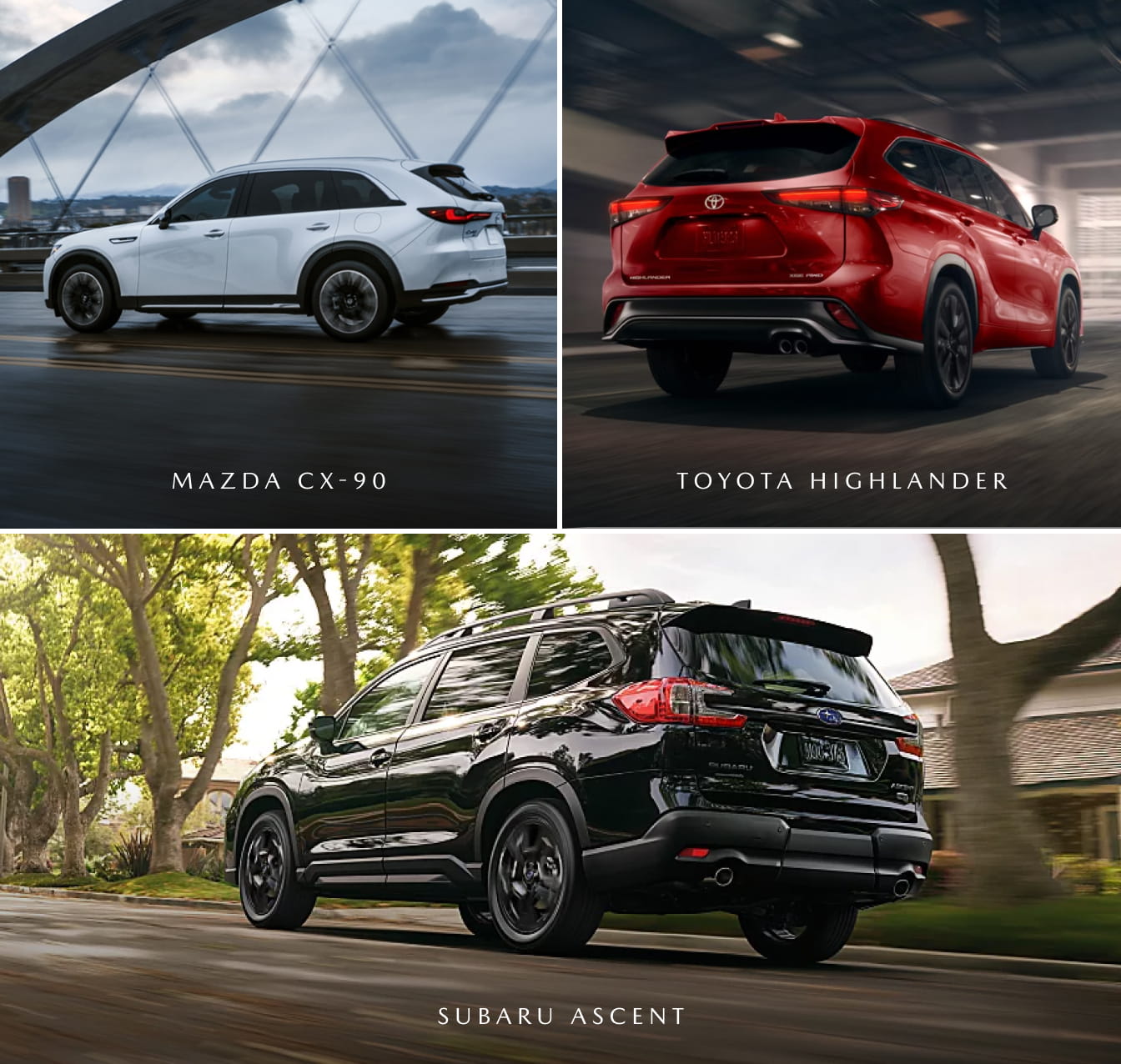
Step inside, and it's clear that the Mazda CX-90, Toyota Highlander, and Subaru Ascent are all built to handle family life with seating for up to eight people. For those who prefer a more lounge-like setup, each SUV offers a seven-seater configuration.
When it comes to interior dimensions, this trio runs a close race. Headroom and legroom across the first, second, and third rows are highly competitive. The Highlander pulls ahead in cargo capacity with a maximum of 84.3 cubic feet, followed by the Subaru Ascent with up to 75.6 cubic feet. The Mazda CX-90 provides 74.2 cubic feet of maximum cargo space, and while it falls slightly behind, it makes up for it with upscale materials and luxury-inspired amenities.
Mazda CX-90 vs. Toyota Highlander vs. Subaru Ascent: Interior Features & Tech
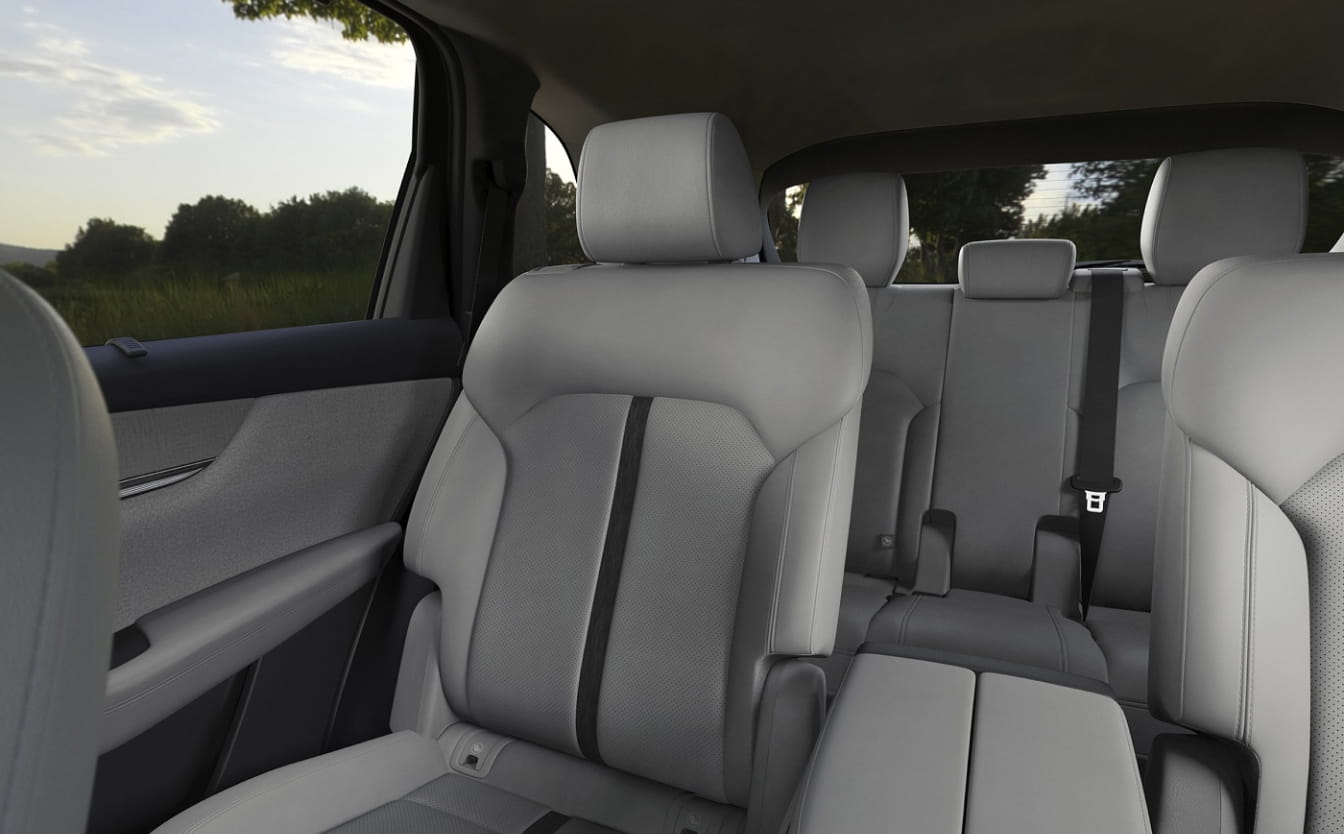
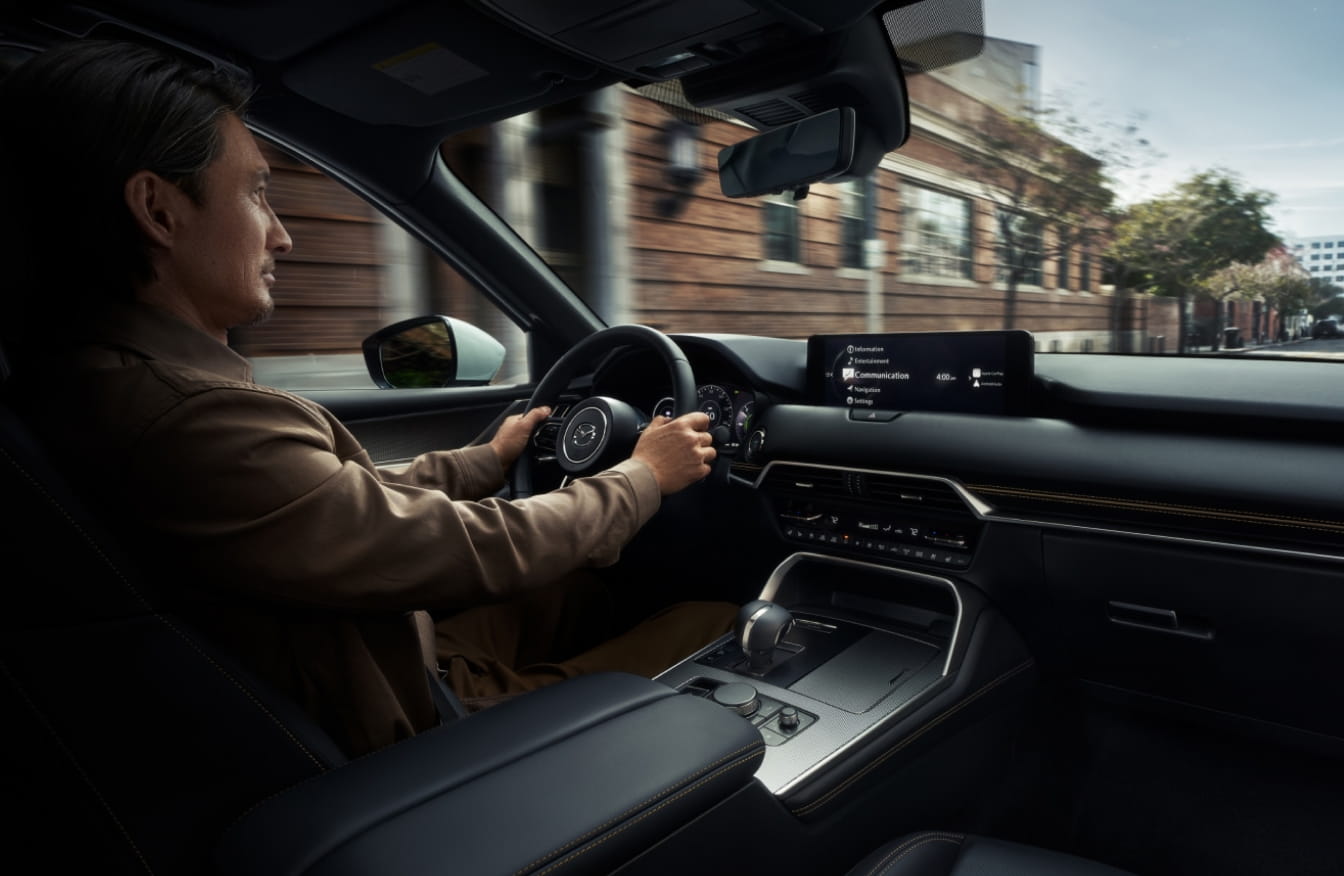
There's a strong collection of standard features across all three SUVs, including three-zone climate control, a leather-wrapped steering wheel, and smartphone integration. However, the Mazda CX-90 offers more; the following is standard or available in the Mazda and not equipped in any trim of the Highlander or Ascent:
- Mazda Driver Personalization System
- Alexa® Built-In
- Bose® Centerpoint® Surround Sound System with AudioPilot®
- 2-tone leather-wrapped heated steering wheel
- HD Radio™
- Ventilated second-row seats
- 150-watt power accessory outlet
- Multifunction Commander control
Mazda CX-90 vs. Toyota Highlander vs. Subaru Ascent: Safety Systems & Awards
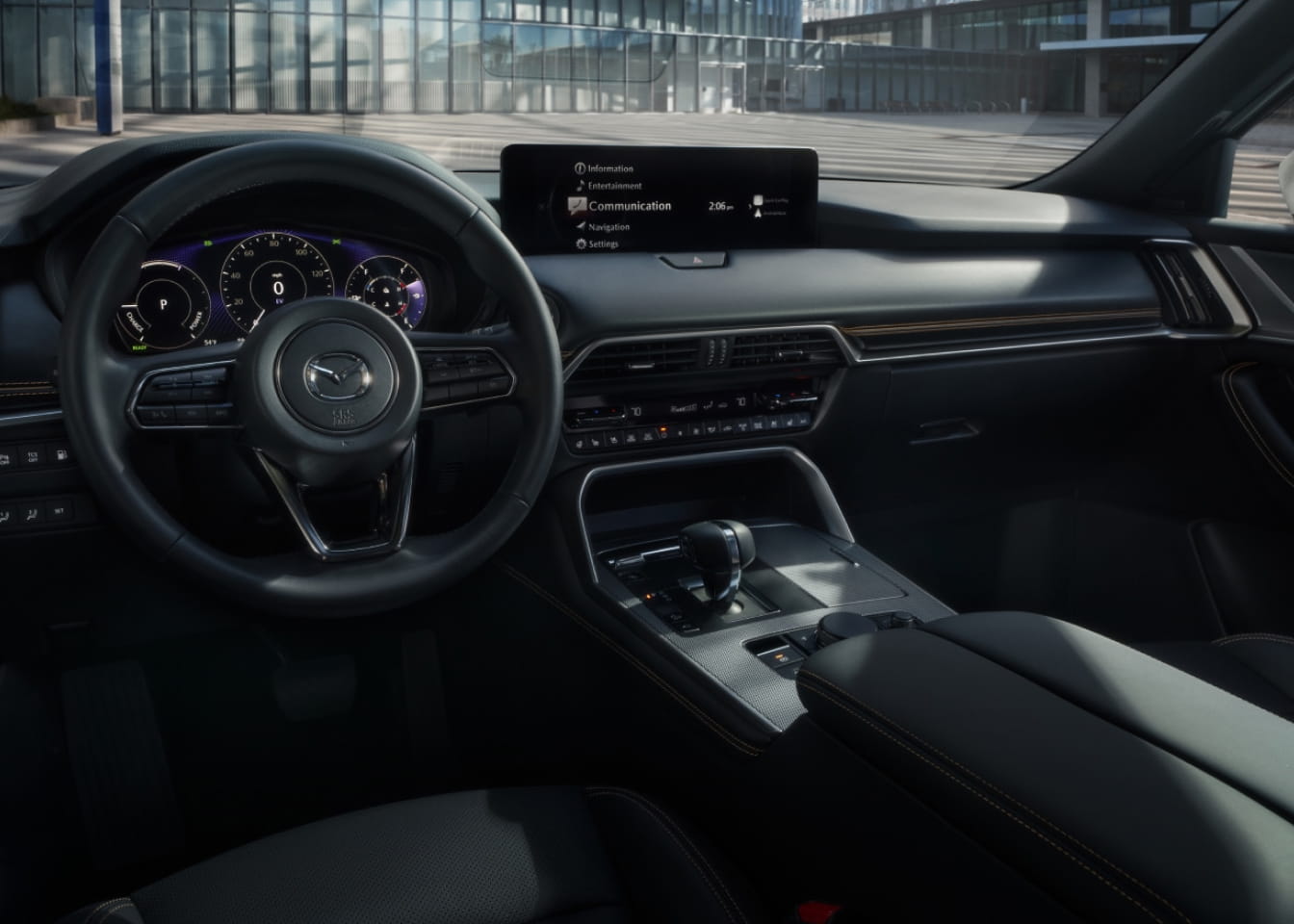
When it comes to protecting the people who matter most, none of these three-row SUVs cut corners. Each comes with advanced driver-assistance technology; however, the 2026 Mazda CX-90 and 2026 Subaru Ascent rise above the competition with recognition from the Insurance Institute for Highway Safety, both earning the prestigious IIHS Top Safety Pick+ award.8 The Highlander has not been IIHS rated at this time of writing, but it remains a strong contender in a Mazda CX-90 vs. Toyota Highlander comparison.
In a Mazda CX-90 vs. Subaru Ascent vs. Toyota Highlander safety review, you'll find similar systems. However, the Mazda CX-90 presents available features not offered in the competition, such as the Secondary Collision Reduction System, Front Cross Traffic Brake, and Turning Across Path Alert and Brake.
The Clear Choice for 3-Row SUV Shoppers
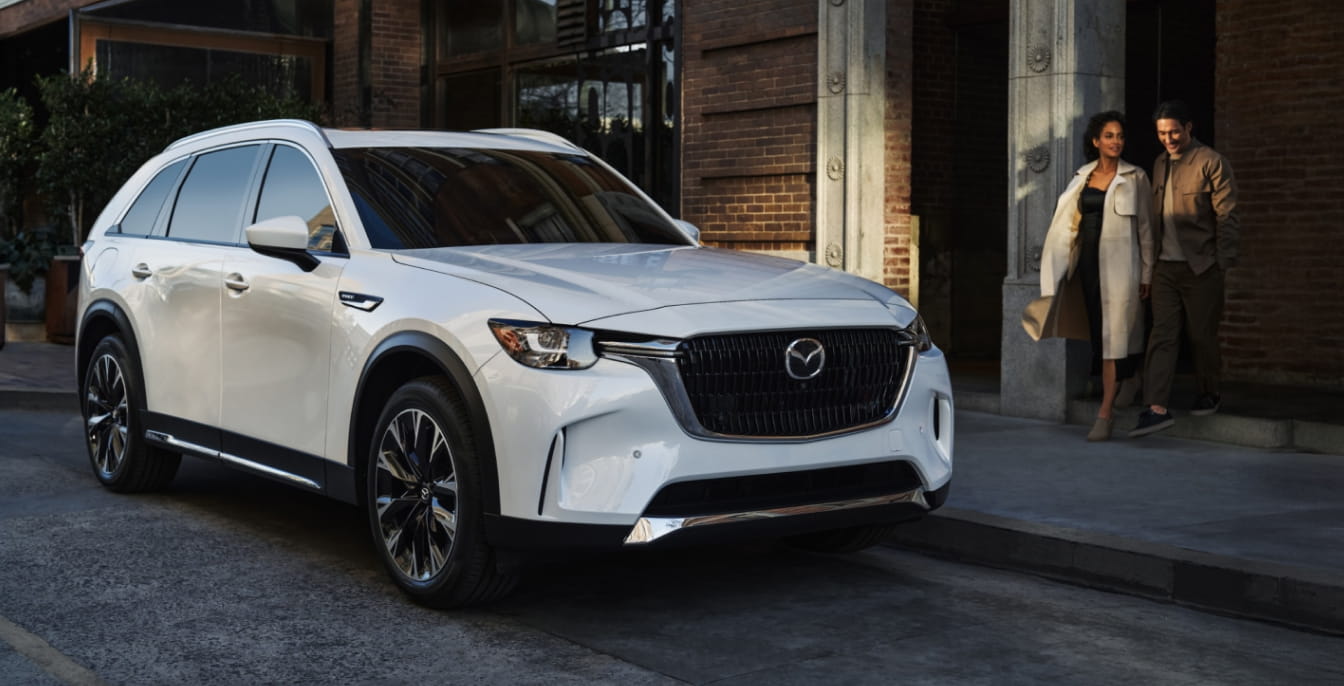
With its superior performance, more premium amenities, and enhanced safety, the 2026 Mazda CX-90 rises above the Toyota Highlander and Subaru Ascent as a top pick for families who refuse to settle. Ready to take the next step? Visit Goodwin Mazda, explore your options, and apply for financing to bring home the three-row SUV that is bound to check every box.
For more value, be sure to check current Mazda specials and discover potential ways to get behind the wheel of this winning SUV.
Frequently Asked Questions
Which SUV has more cargo space: the Mazda CX-90, Toyota Highlander, or Subaru Ascent?
If maximum cargo room is your priority, the Toyota Highlander comes out on top with up to 84.3 cubic feet, followed by the Subaru Ascent at 75.6 cubic feet and the Mazda CX-90 at 74.2 cubic feet.
Which SUV offers the best towing capacity?
The Mazda CX-90, Toyota Highlander, and Subaru Ascent all offer a maximum towing capacity of 5,000 pounds when properly equipped.
Which 3-row SUV is best for families: the Mazda CX-90, Toyota Highlander, or Subaru Ascent?
Among the Mazda CX-90 vs. Toyota Highlander vs. Subaru Ascent, the Mazda CX-90 stands out as a top choice for families who want more than just space. With its turbocharged inline-six engine, upscale cabin, i-Activ AWD®, and IIHS Top Safety Pick+ recognition,8 the Mazda CX-90 blends performance, abundance, and protection into one well-rounded SUV.
1EPA-estimated mileage. Actual results will vary.
2Use for comparison purposes only. Your mileage will vary for many reasons, including your vehicle's condition and how/where you drive. See www.fueleconomy.gov.
3EPA fuel economy estimates. Actual mileage will vary with driving conditions and your vehicle's condition.
4Towing capacities shown are maximums and must be reduced by the weight of any passenger, cargo hitch or optional equipment in the towing vehicle. Please refer to vehicle Owner's Manual for details regarding towing capacities and other valuable information. Towing a trailer may have an effect on vehicle's handling, braking, durability, performance and driving economy. For specific information on recommended or required equipment, see your Mazda Dealer. Hitches are available through manufacturers other than Mazda.
5Before towing, confirm your vehicle and trailer are compatible, hooked up and loaded properly and that you have any necessary additional equipment. Do not exceed any Weight Ratings and follow all instructions in your Owner's Manual. The maximum you can tow depends on base curb weight plus the total weight of any cargo, occupants, and added vehicle equipment. "Added vehicle equipment" includes additional standard/optional equipment and accessories added by the manufacturer, dealers, and/or vehicle owners. The only way to be certain of your vehicle's exact curb weight is to weigh your vehicle without passengers or cargo. (Calculated with the new SAE J2807 method.) Installation of a tow hitch receiver or other accessories located near the rear bumper or side-door kick sensors may require disabling or removing the kick sensor, and the sensor operation setting in your vehicle should be turned off. See Owner's Manual for limitations.
6Maximum towing capacity varies by trim level. Trailer brakes may be needed. See your retailer for details.
7MPGe is the EPA-equivalent of gasoline fuel efficiency for electric vehicles. The EPA-estimated combined MPGe includes both city and highway driving and gasoline and electric energy use. Mileage will vary based on vehicle and battery condition, temperature, driving habits and other factors. Use for comparison purposes only. Actual results will vary.
8MPGe is the EPA-equivalent of gasoline fuel efficiency for electric vehicles. The EPA-estimated combined MPGe includes both city and highway driving and gasoline and electric energy use. Mileage will vary based on vehicle and battery condition, temperature, driving habits and other factors. Use for comparison purposes only. Actual results will vary.
